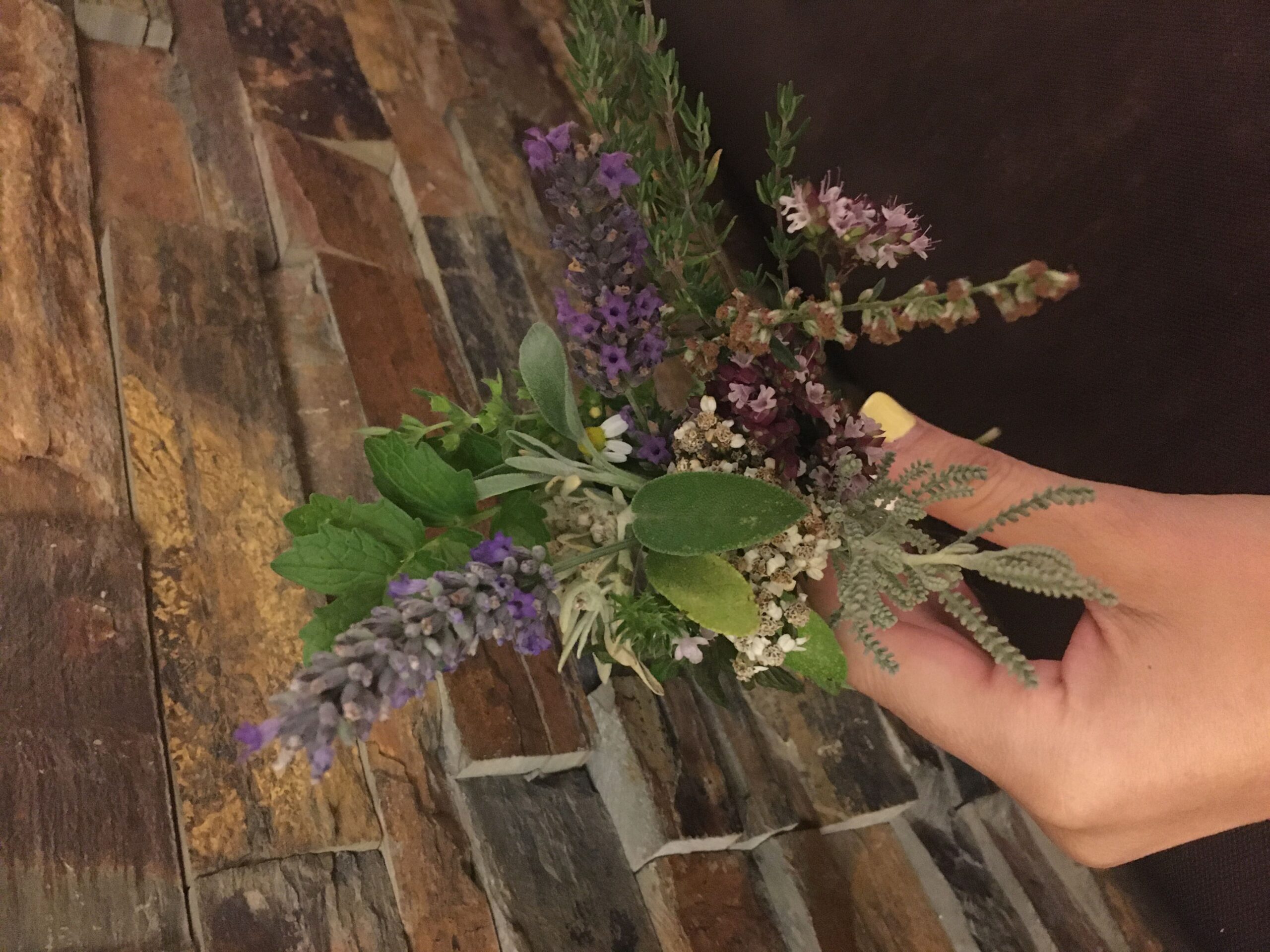
The use of plants for healing purposes is not a new trend. Archaeological evidence places the use of medicinal and aromatic plants over 200,000 years ago with Neanderthals. Over the centuries, great civilizations have perfected this art:
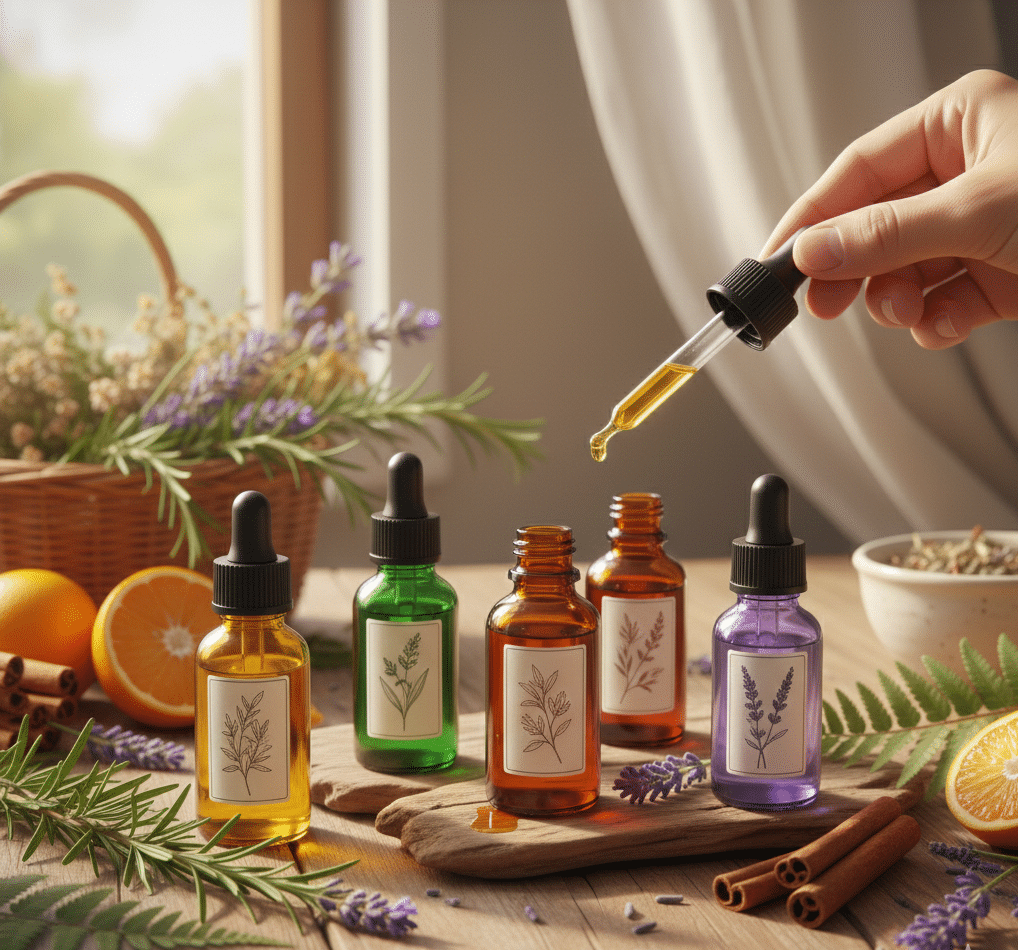
Today, aromatherapy has established itself as a multidisciplinary discipline that integrates botany, pharmacology, and psychology.
As current neuroscience points out, wellbeing is not just the absence of disease, but a balance of the nervous system that natural medicine (such as aromatherapy or the use of plants) addresses in an integral way.
Unlike conventional medicine that uses isolated components, aromatherapy is based on synergy, where the hundreds of components of an essential oil work together to enhance its effectiveness and reduce risks.
The sense of smell maintains a direct neurological connection with brain structures involved in emotion and memory, which explains its ability to generate quick and deep psychophysiological responses, becoming an immediate access route between the environment and the internal processes of the organism
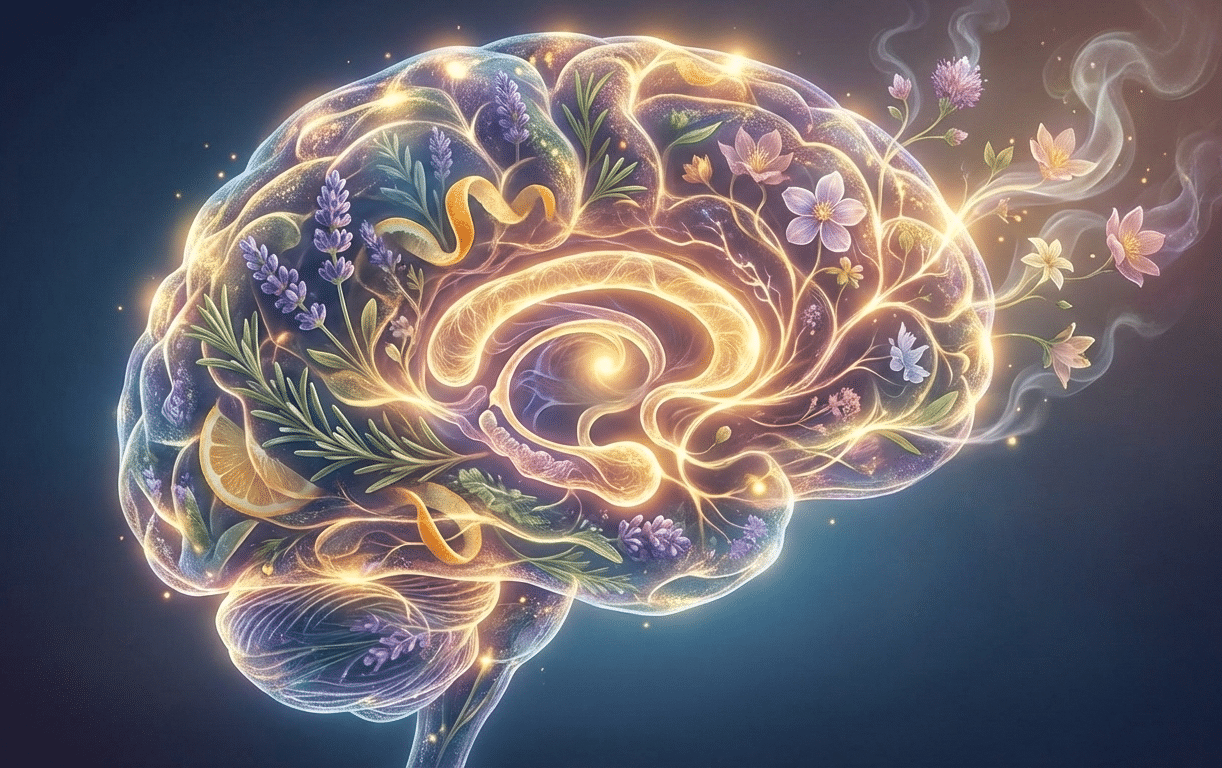
In the current context of stress and environmental toxicity, essential oils act as allies to restore homeostasis or the body’s internal balance. Their main benefits include:
Modern aromatherapy does not seek to replace traditional medicine in acute cases, but to act as a harmonious complement that treats the individual holistically: body, mind, and spirit.
Aromatherapy and the olfactory system: a direct pathway for emotional regulation