From Sanskrit:
ās (आस्) = “to sit”, “to remain”
Nominal suffix forming nouns: -ana → āsana (आसन) = “seat”, “posture”.
Āsana: ancient yogic discipline whose literal meaning is “seat” or “posture”.
Beyond a mere sequence of physical postures, āsana is a practice with several complementary objectives: creating a healthy and functional body, establishing physical-energetic stability, and preparing the bodily and mental ground for breath (prāṇāyāma) and meditation.
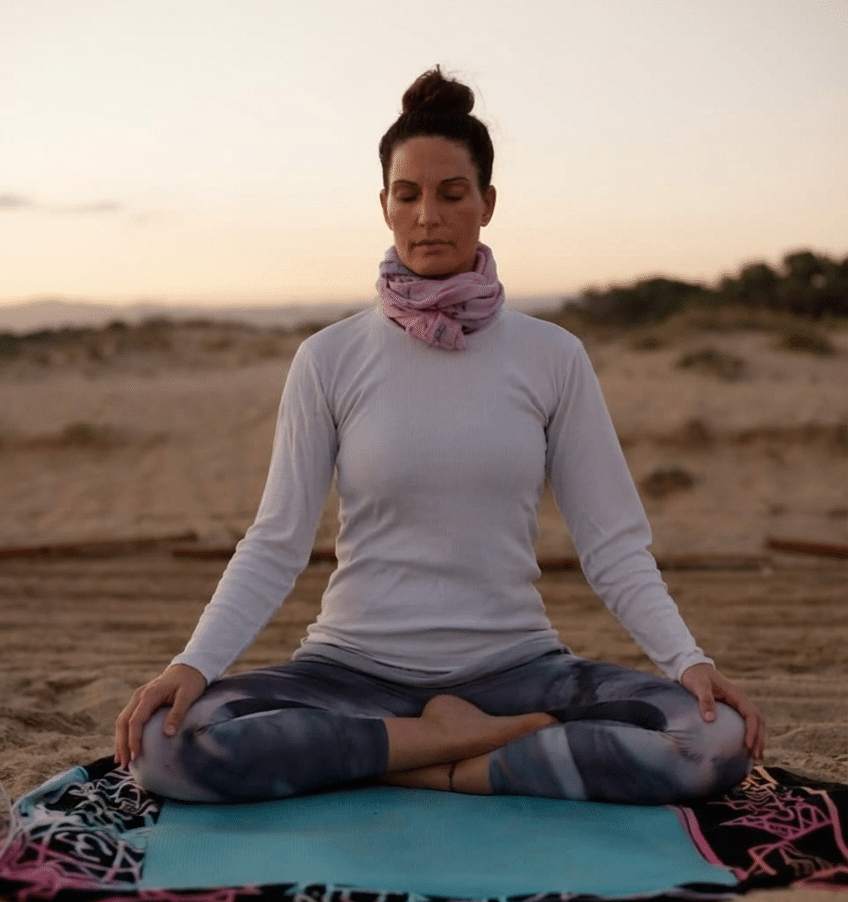
Traditional texts show that the first asanas were seated postures intended to support meditation, not physical exercise. Their purpose was to allow stable and comfortable stillness for concentration and prāṇāyāma. Among the oldest are padmāsana, siddhāsana and svastikāsana, conceived as “seats” for inner contemplation.

The word Asana already appears in the earliest texts of yoga, The Vedas, but not as we understand it today. Physical posture or body technique. It refers to the seated posture, or to remaining firm, or stable, especially in meditative or ritual contexts.
Later, in the 11th century, more elaborate practices begin to be described where the body becomes a vehicle for energetic work.
In the 15th century, the Hatha Yoga Pradīpikā, ( classic text systematizing the practice of Hatha Yoga), gathers teachings on asana (postures), pranayama (breath), mudras (energy gestures) and meditation, aiming to prepare the body and mind for spiritual awakening, systematizes for the first time the physical practices of yoga. In this context, asanas are no longer just meditation postures, but techniques to prepare the body and awaken energy (prāṇa), also including breath (prāṇāyāma), gestures (mudrās) and energy locks (bandhas).
This historical framework, from the meditative seat of the Vedas and the systematization of the 15th century to key contributions over time, helps us situate the different views of āsana.
Below I present some definitions chronologically; starting with Patanjali Maharshi (2nd century BCE), followed by Gorakṣanātha (11th–12th centuries), and finally (19th-21st centuries), Vivekananda, Sivananda and Iyengar, each reflecting in their time the evolution of posture as an integral art of body and energy.
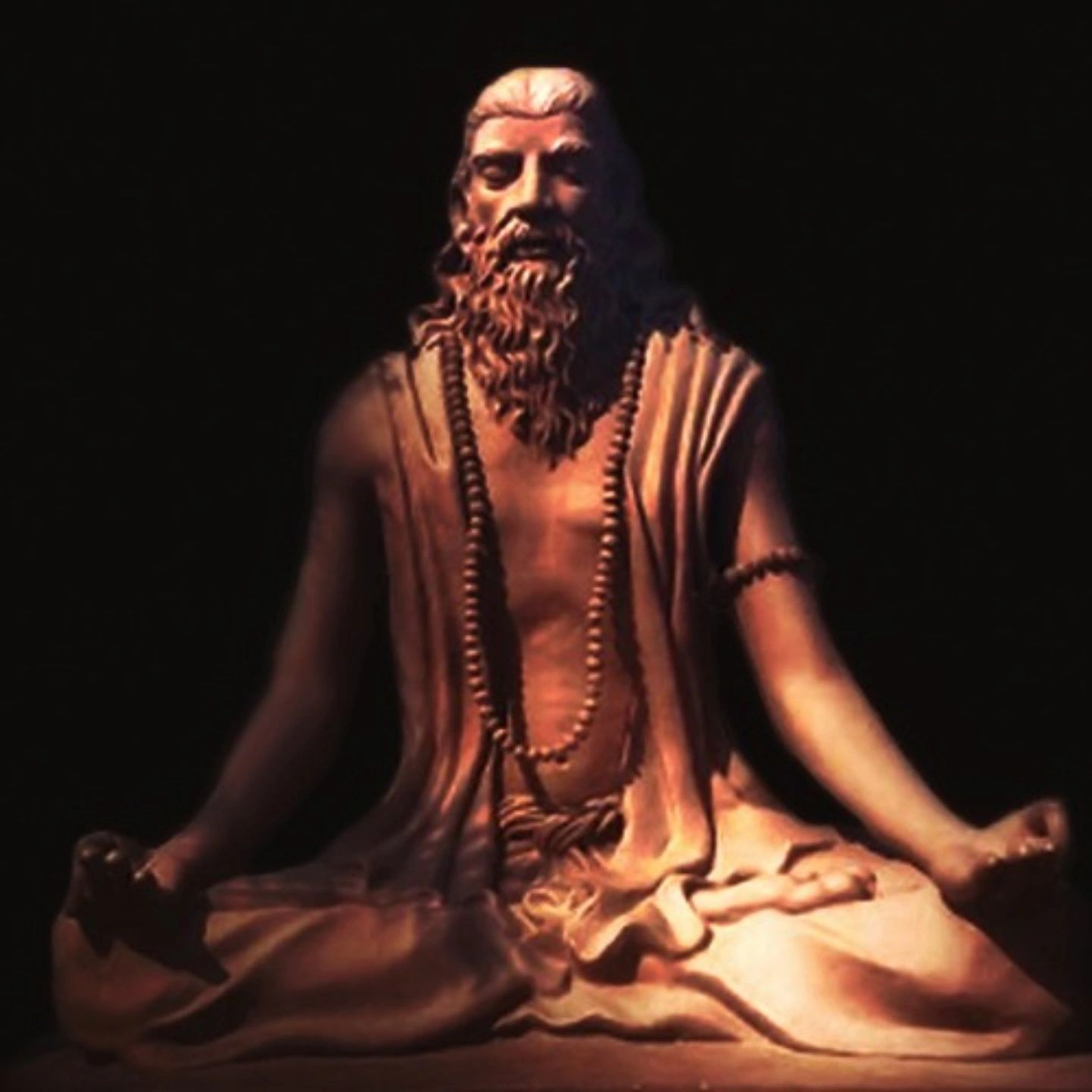
Throughout the centuries, various masters and sages have explained the meaning of āsana from their own realizations and experiences. Below, I share some of these definitions respecting their context and lineage:
Patanjali describes āsana as a posture that must be steady (sthira) and comfortable (sukha).
According to Patanjali, these qualities allow the practitioner to remain in the posture for a long time without distraction, facilitating concentration and the next limb (prāṇāyāma) within the eight limbs of yoga.
Note: Patanjali does not detail numerous postures nor focus on breathing techniques; these were developed later in Hatha Yoga to activate the vital energy Kuṇḍalinī, (activation and ascent of the latent vital energy).
Considered one of the pillars of Hatha Yoga, his teachings, collected in works such as the Gorakṣa Śataka, expand the concept of āsana beyond the simple meditative seat.
Here āsana is conceived as a practice to purify the body, awaken energy and stabilize the mind, introducing a repertoire of postures with energetic and preparatory purposes for inner work.
Legacy: Unlike Patanjali, who focused on the mind, Gorakṣanātha emphasized the physical body as a tool for spiritual liberation through purification, pranayama and control of internal energy (kundalini).
Emphasizes that “sthirasukham” indicates the posture should be free of excessive effort and at the same time without rigidity, so that body and mind collaborate harmoniously during meditation.
For him, āsana are the physical postures that purify the body, develop strength and flexibility, and prepare the practitioner for the subtler stages: prāṇāyāma and meditation.
Enriches the definition by noting that āsana is not just “physical position”, but “coordinated action of muscles, bones and breath”; each asana involves alignment, conscious breathing and body awareness. Transforming postures into tools of self-exploration.