What is Meditation: roots, definitions and paths of practice.
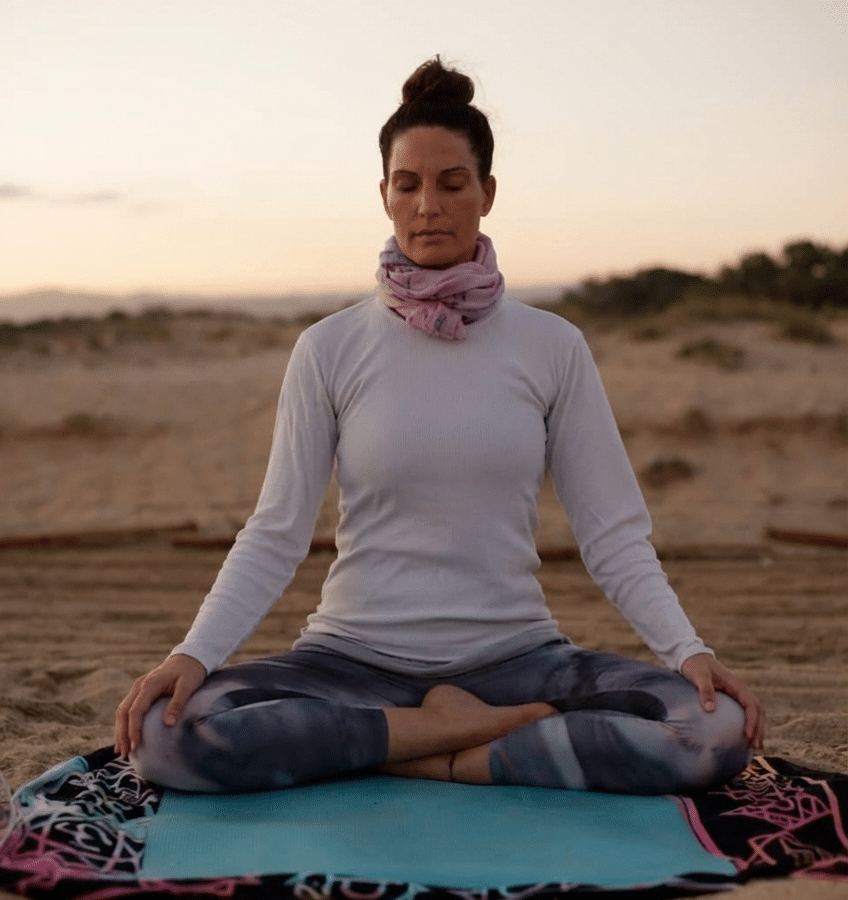
u003cp data-start=u002245u0022 data-end=u0022222u0022u003eu003cstrongu003eFrom Sanskrit:u003c/strongu003eu003c/pu003ernrnu003culu003ern u003cli data-start=u002245u0022 data-end=u0022222u0022u003eIt derives from the Sanskrit root u003cstrongu003e- u003cem data-start=u00221239u0022 data-end=u00221247u0022u003edhyaiu003c/emu003eu003c/strongu003e, which means u0022to contemplateu0022, u0022to reflect deeplyu0022 or u0022to meditateu0022.u003c/liu003ern u003cli data-start=u002245u0022 data-end=u0022222u0022u003eThe suffix u003cstrong data-start=u0022627u0022 data-end=u0022635u0022u003e–anau003c/strongu003e […] sustainedu003c/strongu003e.u003c/pu003ernu003cp data-start=u002245u0022 data-end=u0022222u0022u003eIn the yoga tradition, u003cem data-start=u00221451u0022 data-end=u00221459u0022u003edhyānau003c/emu003e does not refer to the movement of the mind, but to its u003cstrong data-start=u00221506u0022 data-end=u00221559u0022u003ecapacity to remain stable, clear and presentu003c/strongu003e on an object of observation.u003c/pu003ernu003cp style=u0022text-align: center;u0022 data-start=u002245u0022 data-end=u0022222u0022u003eu0022A concentrated mind is a happy mindu0022u003c/pu003ernu003cp style=u0022text-align: center;u0022 data-start=u002245u0022 data-end=u0022222u0022u003e~ Swami Sivananda ~u003c/pu003ernu003cp data-start=u002245u0022 data-end=u0022222u0022u003eu003c/pu003e
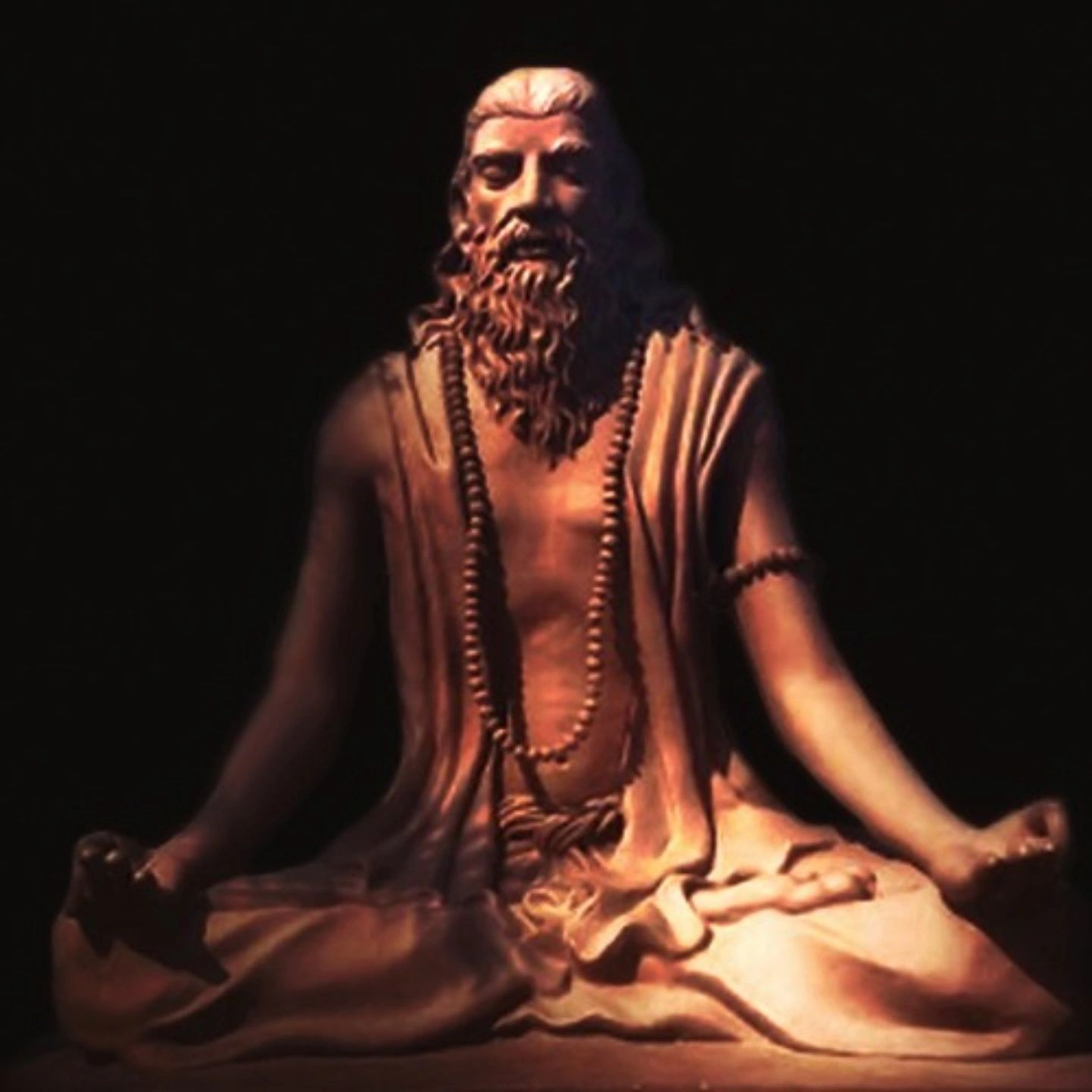
In the u0022Ashtanga Yogau0022 system proposed by Patanjali, what we commonly call u0022meditationu0022 is divided into two consecutive stages of the eight limbs (u003ci data-path-to-node=u00223u0022 data-index-in-node=u0022167u0022u003eangasu003c/iu003e), of the u0022Asthanga Yogau0022: u003cb […] Patanjali defines u003ci data-path-to-node=u00225u0022 data-index-in-node=u002290u0022u003eDhāraṇāu003c/iu003e as:u003c/pu003ernu003cp style=u0022text-align: center;u0022 […] determinedu0022.u003c/bu003eu003c/pu003ernu003cp data-path-to-node=u00227u0022u003eIn this stage, the mind still makes an active effort to return to the object of focus each time it gets distracted. […] Patanjali defines u003ci data-path-to-node=u00229u0022 data-index-in-node=u002283u0022u003eDhyānau003c/iu003e as:u003c/pu003ernu003cp style=u0022text-align: center;u0022 […] data-path-to-node=u002210,0u0022u003eu003cb data-path-to-node=u002210,0u0022 data-index-in-node=u002235u0022u003eu0022The uninterrupted continuity of attention towards the same object is meditationu0022.u003c/bu003eu003c/pu003e
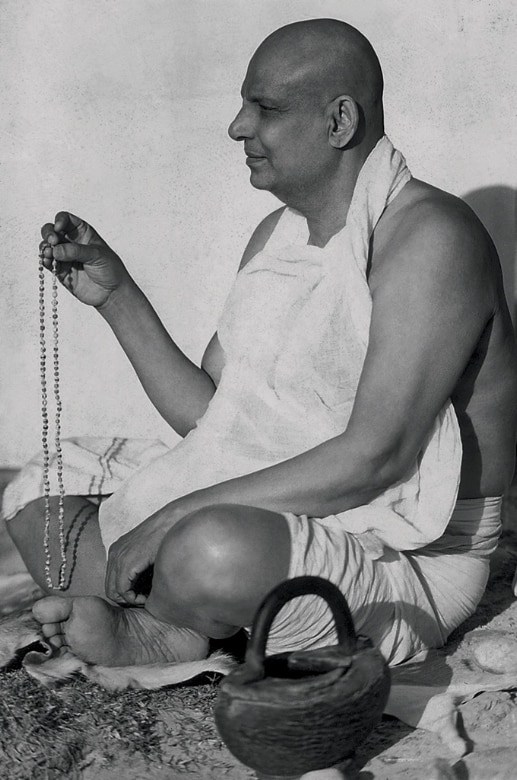
Yoga masters of the 19th, 20th and early 21st centuries, whose teachings have been key in transmitting classical yoga to the contemporary world.rnrnIn classical teachings, meditation is not understood as an isolated technique, but as a process of interiorization of consciousness.rnrnThe great masters of the tradition describe it as the means to quiet the mind, withdraw attention from the senses, and orient experience towards the knowledge of the Self.rnrnu003cstrongu003e• Swami Vivekananda (1863–1902) · Late 19th – early 20th centuryu003c/strongu003ernrnIn his work u003cem data-start=u0022485u0022 data-end=u0022496u0022u003eRaja Yogau003c/emu003e, he defines meditation as:rnrnu003cstrong […] data-end=u0022614u0022 /u003eu003cemu003eu0022Meditation is the continuous flow of thought towards the object of meditationu0022.u003c/emu003ernu003cp data-start=u0022705u0022 data-end=u0022903u0022u003eFor Vivekananda, the practice does not consist of scattered efforts, but of u003cstrong data-start=u0022783u0022 data-end=u0022815u0022u003esustained and stable attentionu003c/strongu003e, capable of progressively leading to inner stillness and deep concentration.u003c/pu003ernu003cp data-start=u0022705u0022 data-end=u0022903u0022u003eu003cstrongu003e•Swami Sivananda (1887–1963) · Late 19th – mid 20th centuryu003c/strongu003ernrnFor Sivananda, meditation is the royal path to liberation, through which the aspirant discovers their true nature and attains inner peace. rnrnu003cstrong data-start=u00221480u0022 data-end=u00221553u0022u003eFrom his perspective, it is not an intermittent mental exerciseu003c/strongu003e, but a continuity of attention cultivated through regular practice.rnrnu003cemu003eu0022Meditation is an unbroken flow of thoughts or consciousness towards the object of meditationu0022.u003c/emu003ernu003cp data-start=u00221320u0022 data-end=u00221630u0022u003eFor Sivananda, meditation is the royal path to liberation, through which the aspirant discovers their true nature and attains inner peace. u003cstrong data-start=u00221480u0022 data-end=u00221553u0022u003eFrom his perspective, it is not an intermittent mental exerciseu003c/strongu003e, but a continuity of attention cultivated through regular practice.u003c/pu003ernrnu0026nbsp;
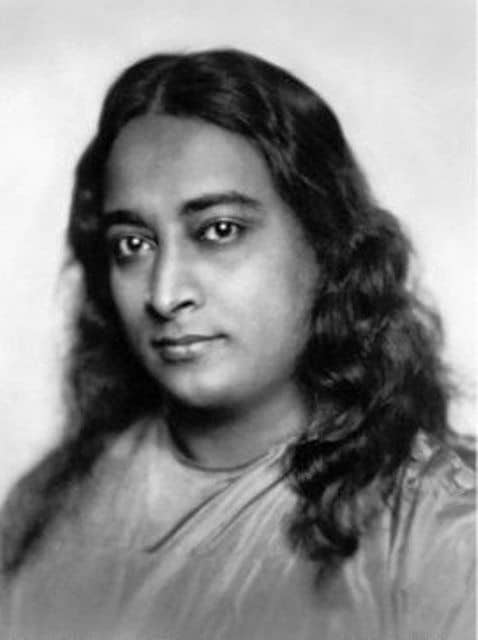
u003cp data-start=u00221320u0022 data-end=u00221630u0022u003eu003cstrongu003e•Paramahansa Yogananda (1893–1952) · Late 19th – 20th centuryu003c/strongu003eu003c/pu003ernFor Yogananda, meditation is the process by which consciousness withdraws from the senses and becomes interiorized, allowing the practitioner to directly perceive the reality of the Self. He teaches that when the mind stops identifying with the body and external stimuli, attention can be directed inward, where the true nature of the soul (Atman) is revealed.rnu003cp […] perceive the inner reality of the soul.u0022u003c/strongu003eu003cbr data-start=u00222235u0022 data-end=u00222238u0022 /u003eu003cemu003eu0022Through meditation, the mind gradually frees itself from the dominion of the senses and becomes capable of perceiving the inner reality of the soulu0022.u003c/emu003eu003c/pu003ernu003cp data-start=u00222099u0022 data-end=u00222392u0022u003eu003cstrongu003e•B. […] It does not begin directly in the mind, but is built progressively through u003cemu003easana, pranayama and pratyaharau003c/emu003e (withdrawal of the senses), until attention becomes naturally stable.rnrnu003cstrongu003eu0022Meditation cannot be imposed on a distracted mind; it arises when the body is still, the breath refined, and the senses withdrawn.u0022u003c/strongu003ern- u003cemu003eLight on the Yoga Sutras of Patanjali – u003c/emu003e, commentary on u003cemu003eII.54–55u003c/emu003e