Beyond simple breath regulation, Pranayama is a profound practice that connects the physical body with the mind and consciousness.
From Sanskrit:
prāṇa (प्राण) = “vital energy”, “life breath”,
y āyāma (आयाम) = “extension”, “expansion”, “control”.
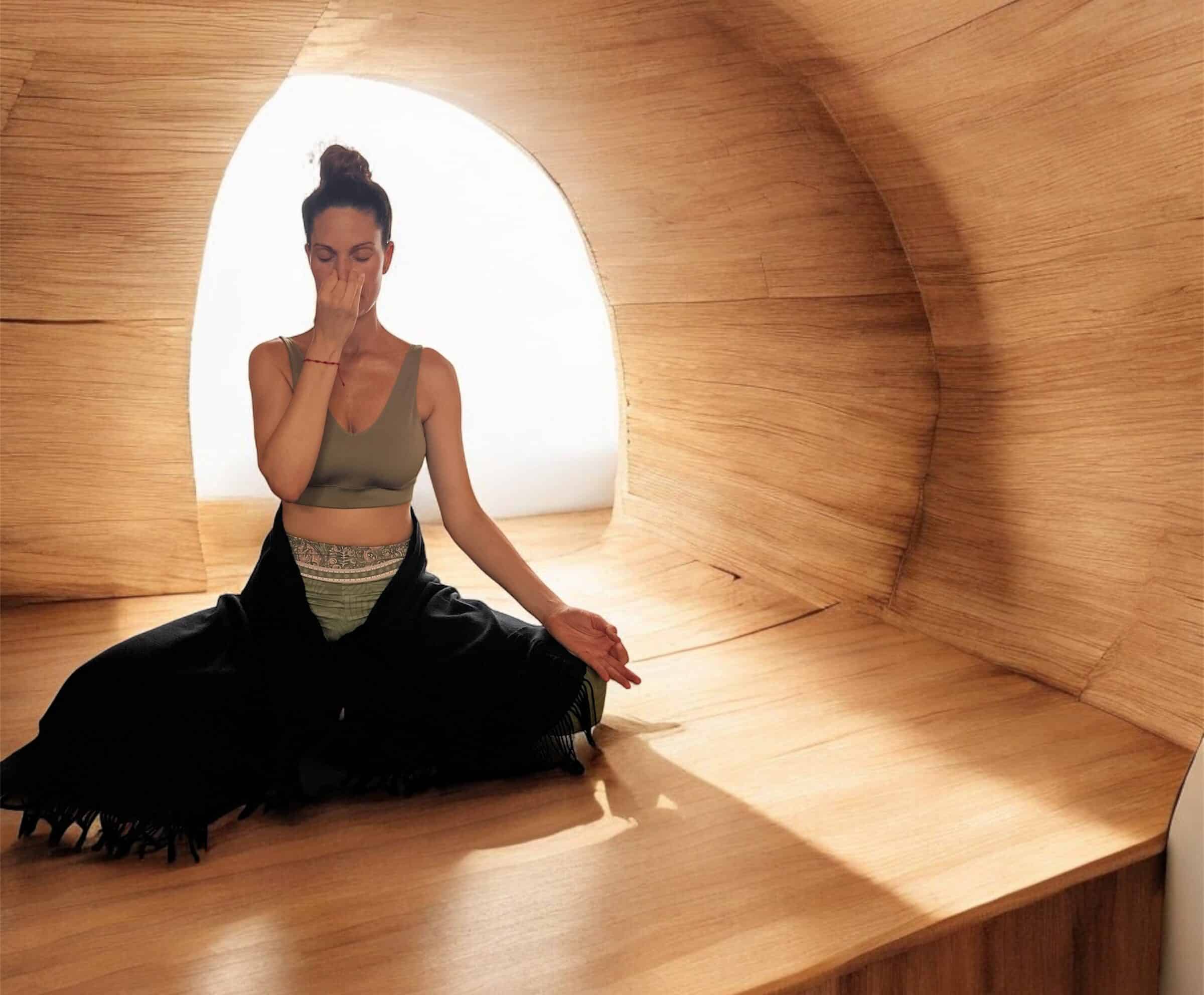
Prāṇāyāma: ancient yogic discipline that literally means the “control or expansion of prāṇa“, the vital energy that sustains the body and the mind.
Beyond simple breath regulation, prāṇāyāma is a profound practice that connects the physical body with the mind and consciousness.
Through specific techniques of inhalation, retention, and exhalation, the practitioner seeks to purify the subtle energy channels (nāḍīs), calm mental fluctuations, and prepare the inner field for meditation.
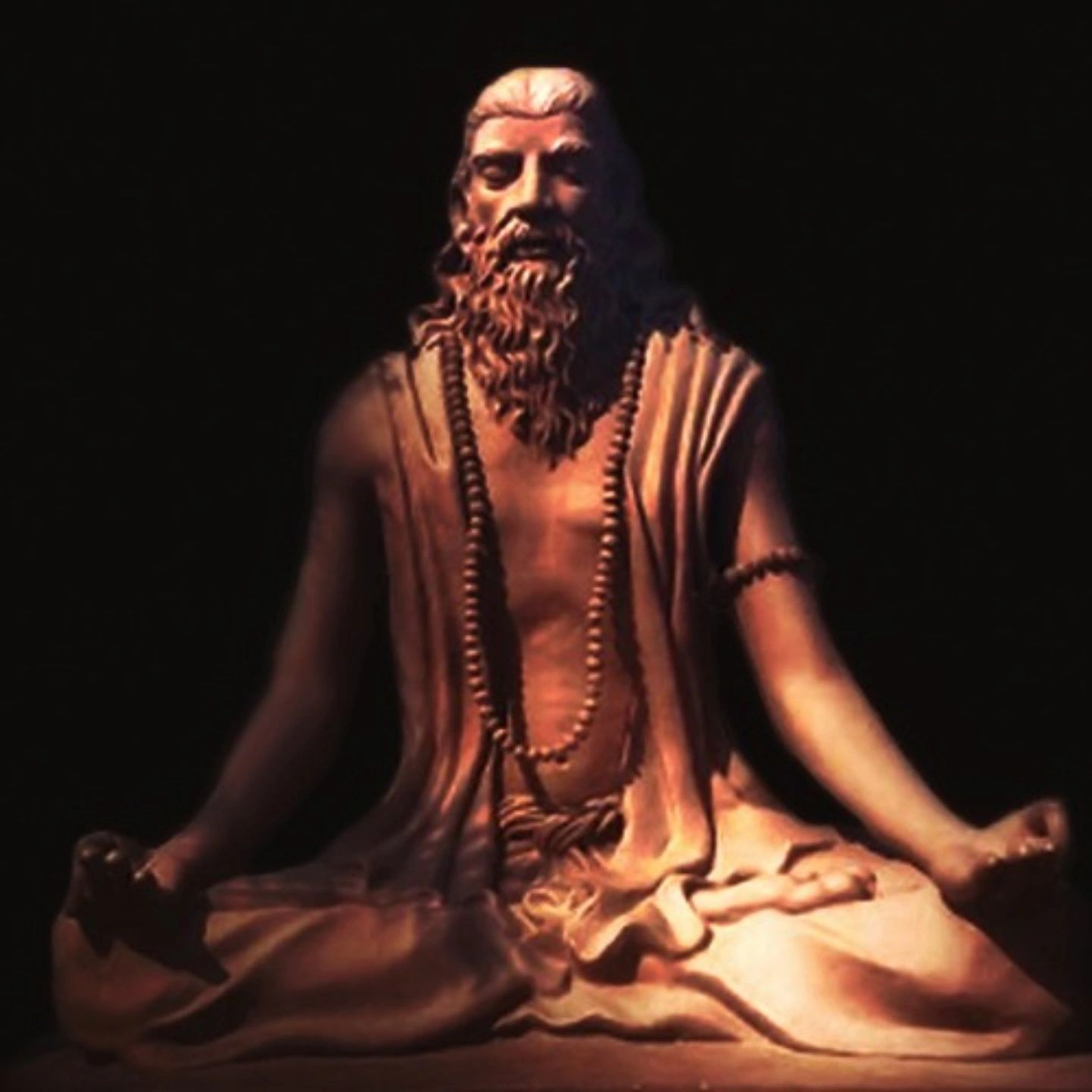
Patanjali defines it as the conscious interruption or control of the natural flow of breath, in order to quiet the mind and prepare the field for deep meditation (dhyāna).
“Tasya prāṇāyāmaḥ”
(Yoga Sūtras II.49)
“After perfecting the posture (āsana), follows prāṇāyāma, the control of the breath.”
“Śvāsa-praśvāsayor gati-vicchedaḥ prāṇāyāmaḥ”
(Yoga Sūtras II.49)
“Prāṇāyāma is the regulation or cessation (vicchedaḥ) of inhalation (śvāsa) and exhalation (praśvāsa).”
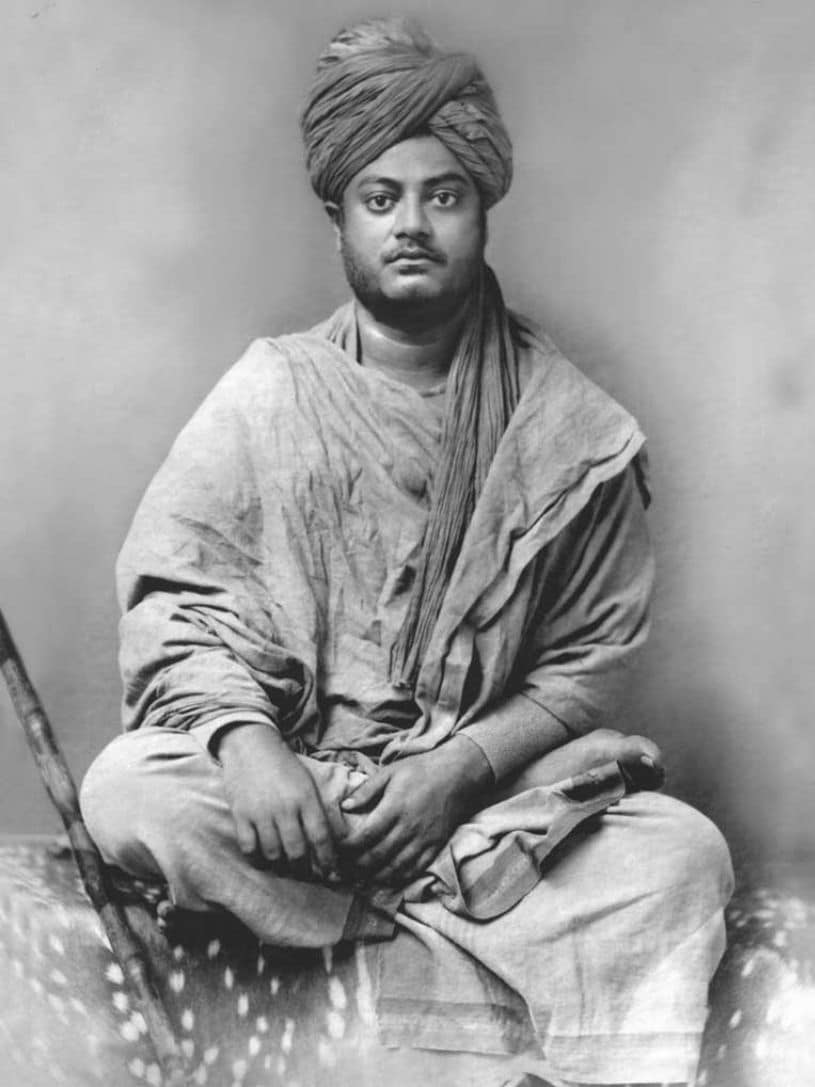
Throughout the centuries, different masters and sages have explained the meaning and purpose of prāṇāyāma from their own realizations and experiences. Below, I share some of these definitions respecting their context and lineage:
“Prāṇa is the universal life force. Prāṇāyāma means learning to control it, not only physically, but also mentally and spiritually. Through its mastery, the yogi directs prāṇa towards the realization of the Self.”
Prāṇāyāma purifies the nāḍīs and helps in conquering the lower nature.
Defines prāṇāyāma as “the process by which we understand the secret of Prāṇa and control it. Whoever controls Prāṇa, controls cosmic life”.
He adds that the union of Prāṇa and Apāna is the foundation of the practice.
Each asana prepares for prāṇāyāma, understood as the conscious practice of the times of inhalation, retention, and exhalation.